
Understanding Trademark Classes in Nigeria: A Complete Guide
Optimist Ibukun
4/6/202610 min read
Understanding Trademark Classes in Nigeria: A Complete Guide
Introduction
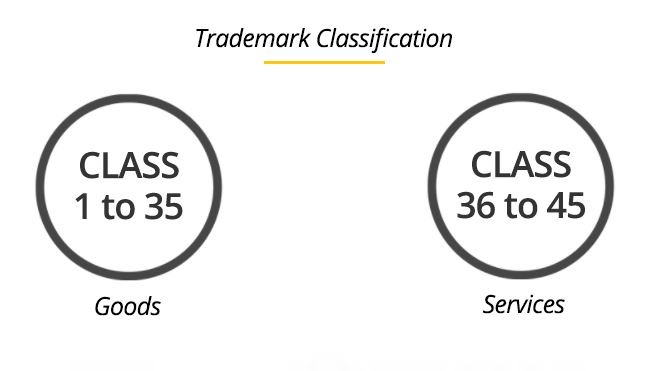
Trademarks are more than just logos or brand names—they are legal tools that protect your business identity and intellectual property. In Nigeria, trademarks are classified under 45 distinct classes, each covering specific goods or services. Choosing the correct class is crucial to ensure your brand is fully protected in its relevant market.
This guide breaks down all 45 trademark classes, explaining in plain language what each covers and providing practical examples to help businesses and entrepreneurs navigate the Nigerian trademark system effectively.
The 45 Trademark Classes in Nigeria
Class 1: Chemicals used in industry, science and photography, as well as in agriculture, horticulture and forestry; unprocessed artificial resins; fire extinguishing compositions; tempering and soldering preparations; manures; chemical substances for preserving foodstuffs; tanning substances; adhesives used in industry.
Explanation:
Class 1 covers industrial and scientific chemicals, the kind of products that operate behind the scenes rather than being directly used by everyday consumers.
This includes chemicals used in manufacturing, farming, food preservation, and industrial processes. For instance, fertilizers used by agricultural companies, preservatives used by food processing businesses, or industrial adhesives used in production lines all fall within this class.
In practical terms, if your business produces or supplies raw chemical materials that support production or large-scale operations, rather than finished consumer goods, Class 1 is where your trademark belongs.
👉 For example:
A company producing fertilizers for farmers
A business supplying chemicals for food preservation
An industrial adhesive manufacturer
The key idea is this: Class 1 protects the foundation materials that other industries depend on—not the final products consumers buy.
Class 2: Paints, varnishes, lacquers; preservatives against rust and against deterioration of wood; colorants; mordants; raw natural resins; metals in foil and powder form for painters, decorators, printers and artists.
Explanation:
Class 2 is all about surface treatment, protection, and appearance. It covers products used to add colour, preserve, or enhance materials, especially in construction, art, and manufacturing.
👉 For example:
A paint manufacturing company supplying wall paints or industrial coatings
A business producing wood polish or anti-rust solutions
A printing company dealing in inks and color applications
An art supply brand selling pigments or metallic powders
The key idea here is: Class 2 protects products that coat, colour, or preserve surfaces—not the structures themselves.
Class 3: Bleaching preparations and other substances for laundry use; cleaning, polishing, scouring and abrasive preparations; soaps; perfumery, essential oils, cosmetics, hair lotions; dentifrices.
Explanation:
Class 3 covers everyday personal care and cleaning products—the items people use regularly for hygiene, grooming, and maintaining their environment.
This includes products used for washing clothes, cleaning surfaces, and personal beauty care. From detergents and soaps to perfumes, skincare products, and toothpaste, this class sits at the heart of lifestyle and consumer brands.
👉 For example:
A skincare or cosmetics brand producing creams, lotions, or makeup
A soap or detergent company
A perfume or fragrance business
A haircare brand producing oils, creams, or shampoos
A toothpaste or oral care brand
The key idea is: Class 3 protects products that clean, beautify, or enhance personal and environmental hygiene.
Class 4: Industrial oils and greases; lubricants; dust absorbing, wetting and binding compositions; fuels (including motor spirit) and illuminants; candles and wicks for lighting.
Explanation:
Class 4 is focused on energy, lubrication, and combustion-related products, things that keep machines running or provide fuel and light.
It includes products used in engines, machinery, and energy supply, as well as basic lighting items like candles.
👉 For example:
Engine oil and lubricant brands
Fuel suppliers (diesel, petrol, kerosene)
Industrial grease manufacturers
Candle production businesses
The key idea is: Class 4 protects products that power, lubricate, or provide energy and illumination.
Class 5: Pharmaceutical, veterinary and sanitary preparations; dietetic substances adapted for medical use; food for babies; plasters, materials for dressings; materials for stopping teeth, dental wax; disinfectants; preparations for destroying vermin; fungicides, herbicides.
Explanation:
Class 5 is dedicated to health, medicine, and sanitation. It is one of the most sensitive and regulated classes.
It includes products used for treatment, prevention, and maintenance of health, whether for humans or animals. It also covers disinfectants and pest control substances.
👉 For example:
Pharmaceutical drug companies
Supplement and medical nutrition brands
Baby food manufacturers (medically adapted)
Disinfectant and antiseptic producers
Pesticide and herbicide businesses
The key idea is: Class 5 protects products that directly impact health, hygiene, and disease control.
Class 6: Common metals and their alloys; metal building materials; transportable buildings of metal; materials of metal for railway tracks; non-electric cables and wires of common metal; ironmongery; small items of metal hardware; pipes and tubes of metal; safes; goods of common metal not included in other classes; ores.
Explanation:
Class 6 covers basic metal materials and structural components used in construction, manufacturing, and infrastructure.
It includes both raw and semi-processed metals as well as finished metal products used in building and fabrication.
👉 For example:
Steel and iron suppliers
Roofing sheet and metal door manufacturers
Pipe and metal fittings companies
Construction material businesses
Safe and vault manufacturers
The key idea is: Class 6 protects metal-based materials and products used for building, structure, and industrial use.
Class 7: Machines and machine tools; motors and engines (except for land vehicles); machine coupling and transmission components (except for land vehicles); agricultural implements (other than hand-operated); incubators for eggs.
Explanation:
Class 7 covers mechanical power and industrial machinery, the systems that drive production and large-scale operations.
👉 For example:
Factory machines and processing equipment
Industrial generators and engines
Mechanized farming equipment
The key idea is: Class 7 protects powered machines that do heavy or automated work.
Class 8: Hand tools and implements (hand-operated); cutlery; side arms (except firearms); razors.
Explanation:
This class focuses on manual tools, things operated by hand rather than machines.
👉 For example:
Cutlasses, hammers, pliers
Kitchen knives and barber tools
The key idea is: Class 8 protects everyday working tools used manually.
Class 9: Scientific, nautical, surveying, electric, photographic, cinematographic, optical, weighing, measuring, signalling, checking (supervision), life-saving and teaching apparatus and instruments; apparatus for recording, transmission or reproduction of sound or images; magnetic data carriers, recording discs; automatic vending machines and mechanisms for coin-operated apparatus; cash registers, calculating machines, data processing equipment and computers; fire-extinguishing apparatus.
Explanation:
Class 9 is one of the most important modern classes, covering technology, electronics, and digital products.
👉 For example:
Software, mobile apps, laptops
Cameras, audio equipment
POS machines and ATMs
The key idea is: Class 9 protects tech, data, and electronic systems.
Class 10: Surgical, medical, dental and veterinary apparatus and instruments; artificial limbs, eyes and teeth; orthopaedic articles; suture materials.
Explanation:
This class deals with medical equipment and devices, not drugs.
👉 For example:
Hospital equipment
Dental tools
Prosthetics and medical aids
The key idea is: Class 10 protects tools used in healthcare delivery.
Class 11: Apparatus for lighting, heating, steam generating, cooking, refrigerating, drying, ventilating, water supply and sanitary purposes.
Explanation:
Class 11 covers functional appliances used in homes and industries.
👉 For example:
Refrigerators, air conditioners
Gas cookers, water heaters
The key idea is: Class 11 protects appliances that make environments livable and functional.
Class 12: Vehicles; apparatus for locomotion by land, air or water.
Explanation:
This class is for transportation products.
👉 For example:
Cars, trucks, motorcycles
Boats and aircraft
The key idea is: Class 12 protects mobility and transport systems.
Class 13: Firearms; ammunition and projectiles; explosives; fireworks.
Explanation:
A restricted class dealing with weapons and explosive materials.
Class 14: Precious metals and their alloys and goods in precious metals or coated therewith; jewellery, precious and semi-precious stones; horological and chronometric instruments.
Explanation:
This is the luxury goods class.
👉 For example:
Gold and silver jewellery
Watches and luxury accessories
The key idea is: Class 14 protects high-value ornamental and timekeeping items.
Class 15: Musical instruments.
Explanation:
This class is for music equipment, not music content.
👉 For example:
Guitars, keyboards, drums
The key idea is: Class 15 protects the tools used to create music.
Class 16: Paper and cardboard and goods made from these materials, not included in other classes; printed matter; bookbinding material; photographs; stationery; adhesives for stationery or household purposes; artists' materials; paint brushes; typewriters and office requisites (except furniture); instructional and teaching materials (except apparatus); plastic materials for packaging (not included in other classes); playing cards; printers’ type; printing blocks.
Explanation:
Class 16 covers printing, publishing, and office materials.
👉 For example:
Books, notebooks, packaging
Printing and publishing businesses
The key idea is: Class 16 protects paper-based and printed products.
Class 17: Rubber, gutta-percha, gum, asbestos, mica and goods made from these materials and not included in other classes; plastics in extruded form for use in manufacture; packing, stopping and insulating materials; flexible pipes, not of metal.
Explanation:
This class covers industrial materials used in production and insulation.
👉 For example:
Plastic pipes
Insulation materials
The key idea is: Class 17 protects raw and semi-processed industrial materials.
Class 18: Leather and imitations of leather, and goods made of these materials and not included in other classes; animal skins, hides; trunks and travelling bags; umbrellas, parasols and walking sticks; whips, harness and saddlery.
Explanation:
This is the leather and travel goods class.
👉 For example:
Bags, wallets, belts
Travel luggage
The key idea is: Class 18 protects leather-based lifestyle products.
Class 19: Building materials (non-metallic); non-metallic rigid pipes for building; asphalt, pitch and bitumen; non-metallic transportable buildings; monuments, not of metal.
Explanation:
This class covers construction materials that are not metal.
👉 For example:
Cement, tiles, wood materials
The key idea is: Class 19 protects non-metal building materials.
Class 20: Furniture, mirrors, picture frames; goods (not included in other classes) of wood, cork, reed, cane, wicker, horn, bone, ivory, whalebone, shell, amber, mother-of-pearl, meerschaum and substitutes for all these materials, or of plastics.
Explanation:
Class 20 is about furniture and interior products.
👉 For example:
Chairs, tables, home décor
The key idea is: Class 20 protects interior and furnishing products.
Class 21: Household or kitchen utensils and containers (not of precious metal or coated therewith); combs and sponges; brushes (except paint brushes); brush-making materials; articles for cleaning purposes; steel wool; unworked or semi-worked glass (except glass used in building); glassware, porcelain and earthenware not included in other classes.
Explanation:
This class covers everyday household items.
👉 For example:
Plates, cups, kitchen tools
The key idea is: Class 21 protects practical home-use items.
Class 22: Ropes, string, nets, tents, awnings, tarpaulins, sails, sacks and bags (not included in other classes); padding and stuffing materials (except of rubber or plastics); raw fibrous textile materials.
Explanation:
Class 22 deals with industrial textile and packaging materials.
👉 For example:
Sacks, ropes, tents
The key idea is: Class 22 protects utility textile materials.
Class 23: Yarns and threads, for textile use.
Explanation:
This class covers raw textile inputs.
👉 For example:
Sewing threads
Yarn production
Class 24: Textiles and textile goods, not included in other classes; bed and table covers.
Explanation:
This is the fabric class.
👉 For example:
Ankara, lace, bedsheets
The key idea is: Class 24 protects finished textile materials.
Class 25: Clothing, footwear, headgear.
Explanation:
One of the most important classes in Nigeria.
👉 For example:
Fashion brands, designers
The key idea is: Class 25 protects wearable fashion items.
Class 26: Lace and embroidery, ribbons and braid; buttons, hooks and eyes, pins and needles; artificial flowers.
Explanation:
This class supports fashion production.
👉 For example:
Tailoring accessories
Garment finishing materials
Class 27: Carpets, rugs, mats and matting; linoleum and other materials for covering existing floors; wall hangings (non-textile).
Explanation:
This class covers flooring and interior coverings.
Class 28: Games and playthings; gymnastic and sporting articles not included in other classes; decorations for Christmas trees.
Explanation:
Class 28 is for recreation and sports.
👉 For example:
Toys, fitness equipment
Class 29: Meat, fish, poultry and game; meat extracts; preserved, dried and cooked fruits and vegetables; jellies, jams, fruit sauces; eggs, milk and milk products; edible oils and fats.
Explanation:
This class covers processed and preserved foods.
👉 For example:
Packaged food brands
Class 30: Coffee, tea, cocoa, sugar, rice, tapioca, sago, artificial coffee; flour and preparations made from cereals; bread, pastry and confectionery, ices; honey, treacle; yeast, baking-powder; salt, mustard; vinegar, sauces (condiments); spices; ice.
Explanation:
This class covers everyday staple foods and consumables.
👉 For example:
Rice brands, bakeries, spice companies
The key idea is: Class 30 protects staple and ready-to-eat food products.
Class 31: Agricultural, horticultural and forestry products and grains not included in other classes; live animals; fresh fruits and vegetables; seeds, natural plants and flowers; foodstuffs for animals; malt.
Explanation:
Class 31 covers raw and natural agricultural products—things that are not processed.
👉 For example:
Farmers selling fresh produce
Poultry and livestock businesses
Seed and plant sellers
The key idea is: Class 31 protects natural, unprocessed agricultural goods.
Class 32: Beers; mineral and aerated waters and other non-alcoholic beverages; fruit beverages and fruit juices; syrups and other preparations for making beverages.
Explanation:
Class 32 is for non-alcoholic drinks.
👉 For example:
Bottled water companies
Soft drink and juice brands
Beverage concentrate producers
The key idea is: Class 32 protects refreshing, non-alcoholic beverages.
Class 33: Alcoholic beverages (except beers).
Explanation:
This class covers alcoholic drinks excluding beer.
👉 For example:
Wine, spirits, whiskey brands
The key idea is: Class 33 protects distilled and alcoholic beverage brands.
Class 34: Tobacco; smokers’ articles; matches.
Explanation:
A regulated class covering tobacco-related products.
👉 For example:
Cigarette brands
Lighters and smoking accessories
Class 35: Advertising; business management; business administration; office functions.
Explanation:
Class 35 is one of the most important service classes, especially in today’s economy.
👉 For example:
Marketing and advertising agencies
Business consultants
Brand managers
The key idea is: Class 35 protects services that help businesses grow and operate.
Class 36: Insurance; financial affairs; monetary affairs; real estate affairs.
Explanation:
This class covers money and financial systems.
👉 For example:
Banks and fintech companies
Insurance firms
Real estate businesses
The key idea is: Class 36 protects financial and asset-related services.
Class 37: Building construction; repair; installation services.
Explanation:
This class focuses on hands-on technical and construction services.
👉 For example:
Construction companies
Technicians and repair services
Installers (electrical, mechanical, etc.)
The key idea is: Class 37 protects services that build, fix, or install.
Class 38: Telecommunications.
Explanation:
Class 38 covers communication services.
👉 For example:
Telecom providers
Internet service providers
Broadcasting services
The key idea is: Class 38 protects services that connect people and data.
Class 39: Transport; packaging and storage of goods; travel arrangement.
Explanation:
This class deals with movement and logistics.
👉 For example:
Logistics and delivery companies
Transport businesses
Travel agencies
The key idea is: Class 39 protects services that move people and goods.
Class 40: Treatment of materials.
Explanation:
Class 40 is about processing or transforming materials.
👉 For example:
Manufacturing services
Recycling operations
Custom production services
The key idea is: Class 40 protects services that change the form of materials.
Class 41: Education; providing of training; entertainment; sporting and cultural activities.
Explanation:
This class is highly relevant in the creative and knowledge economy.
👉 For example:
Schools and training platforms
Event companies
Music, film, and entertainment businesses
The key idea is: Class 41 protects learning, entertainment, and cultural expression.
Class 42: Scientific and technological services and research and design relating thereto; industrial analysis and research services; design and development of computer hardware and software.
Explanation:
Class 42 is the core tech and innovation class.
👉 For example:
Software development companies
Tech startups and SaaS platforms
IT consulting firms
The key idea is: Class 42 protects innovation, technology, and digital development services.
Class 43: Services for providing food and drink; temporary accommodation.
Explanation:
This class covers hospitality and food services.
👉 For example:
Restaurants and catering businesses
Hotels and short-let apartments
The key idea is: Class 43 protects businesses that serve food or provide lodging.
Class 44: Medical services; veterinary services; hygienic and beauty care for human beings or animals; agriculture, horticulture and forestry services.
Explanation:
Class 44 focuses on care and wellbeing services.
👉 For example:
Hospitals and clinics
Salons and spas
Veterinary services
The key idea is: Class 44 protects services that care for health, beauty, and living things.
Class 45: Legal services; security services for the protection of property and individuals; personal and social services rendered by others to meet the needs of individuals.
Explanation:
This is the final service class, covering professional and personal support services.
👉 For example:
Law firms
Security companies
Personal concierge or social services
The key idea is: Class 45 protects services that safeguard rights, safety, and personal needs.
Registering a trademark in the right class is a strategic business decision that safeguards your brand, prevents infringement, and strengthens your market presence. Whether you are a startup, a creative entrepreneur, or a large corporation, understanding these classes ensures that your intellectual property is legally protected.
By identifying your goods or services accurately, you can confidently navigate the Nigerian trademark system and build a strong, protected brand for the future.